

Strength Training Outcomes from Les Mills Singapore Classes: Muscle Growth, Metabolism and Functional Fitness
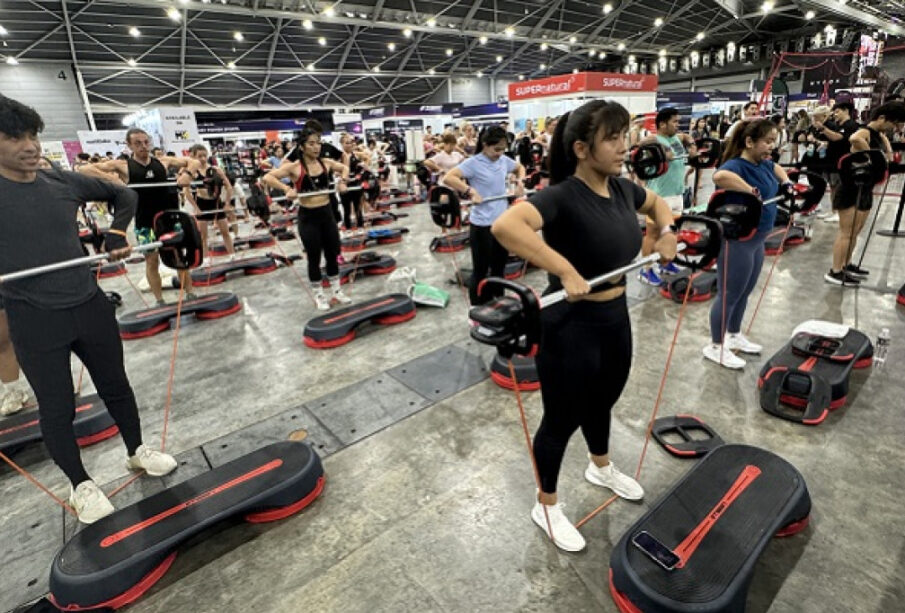
In Singapore’s high pressure urban environment, many people are no longer training just to look fit. They want strength that translates into daily performance, better posture, higher energy levels, and long term health resilience. Strength focused group training has evolved significantly, moving beyond traditional weightlifting into structured, science backed formats. Programmes under les mills singapore deliver this evolution by combining high intensity strength work with functional movement patterns that support muscle development, metabolic efficiency, and real world fitness.
Rather than isolating muscles in repetitive routines, these classes emphasise purposeful load, time under tension, and movement efficiency. The outcome is strength that supports everyday life, demanding work schedules, and long term physical independence.
Understanding Strength Training Beyond Muscle Size
Strength training is often misunderstood as purely aesthetic. While muscle growth is one outcome, true strength training improves how the body produces force, stabilises joints, and manages load across multiple planes of movement.
Key outcomes of effective strength training include:
-
Increased neuromuscular coordination
-
Improved joint stability and balance
-
Higher resting metabolic rate
-
Better posture and movement efficiency
-
Reduced injury risk during daily activities
LES MILLS strength focused formats are designed to target these outcomes collectively rather than in isolation.
How Structured Strength Programming Enhances Muscle Growth
Muscle growth, or hypertrophy, occurs when muscle fibres experience progressive overload followed by adequate recovery. In group training environments, achieving this consistently can be challenging without structured programming. LES MILLS solves this through periodised class design.
Strength focused sessions incorporate:
-
Repeated compound movements engaging multiple muscle groups
-
Controlled tempo to maximise time under tension
-
Progressive intensity across tracks and releases
-
Balanced training for upper body, lower body, and core
This ensures muscles are stimulated sufficiently to grow while avoiding overtraining or imbalance.
Functional Strength and Real Life Application
Functional strength refers to the ability to apply force effectively during real life tasks such as lifting, carrying, climbing, or maintaining posture over long hours. In Singapore, where long workdays and commuting are common, functional strength has direct lifestyle benefits.
Functional outcomes from these classes include:
-
Improved ability to lift heavy objects safely
-
Better spinal stability during prolonged sitting
-
Enhanced balance and coordination
-
Reduced fatigue during daily movement
The emphasis on multi joint exercises ensures strength gains carry over beyond the gym floor.
Metabolic Benefits of Strength Based HIIT
Strength training has a powerful effect on metabolism, especially when combined with high intensity intervals. These sessions elevate heart rate while loading muscles, creating a dual demand on the body.
Metabolic benefits include:
-
Increased calorie burn during and after workouts
-
Improved insulin sensitivity
-
Enhanced fat utilisation as fuel
-
Preservation of lean muscle during fat loss phases
This makes strength based HIIT particularly effective for individuals aiming to improve body composition without long training hours.
Muscle Groups Targeted in Strength Focused Classes
LES MILLS strength formats are designed to ensure balanced muscular development. Rather than overworking visible muscles only, sessions focus on foundational muscle groups that support posture and movement quality.
Primary muscle groups trained include:
-
Glutes and hamstrings for hip power and stability
-
Quadriceps for knee support and lower body strength
-
Back muscles for posture and spinal support
-
Chest and shoulders for pushing strength
-
Core muscles for balance and force transfer
This balanced approach reduces muscular imbalances commonly seen in desk bound lifestyles.
Hormonal Response and Strength Adaptation
Strength training triggers hormonal responses that support muscle repair and growth. These hormonal changes also play a role in overall health and energy levels.
Positive adaptations include:
-
Increased growth hormone response
-
Improved testosterone utilisation in both men and women
-
Better cortisol regulation when paired with recovery
-
Enhanced muscle protein synthesis
Over time, these responses contribute to stronger muscles and more stable energy throughout the day.
Strength Training and Bone Density Support
Another critical benefit of strength training is its role in maintaining bone density. Weight bearing and resistance exercises stimulate bone remodelling, which is essential for long term skeletal health.
Benefits for bone health include:
-
Increased bone mineral density
-
Reduced risk of age related bone loss
-
Improved joint resilience
-
Better posture alignment
This is especially important for adults who spend long hours seated and may not engage in impact based activities.
Adaptability for Different Fitness Levels
One of the strengths of structured group training is scalability. Participants can adjust resistance, speed, and range of motion without losing training effectiveness.
Adaptation strategies include:
-
Using lighter weights with higher control
-
Reducing movement range during fatigue
-
Adjusting tempo to maintain technique
-
Increasing load gradually across sessions
This ensures strength progression remains safe and sustainable for all fitness levels.
Recovery and Strength Progression
Strength gains depend heavily on recovery. LES MILLS programming integrates recovery principles into class design and weekly scheduling recommendations.
Effective recovery practices include:
-
Alternating strength and cardio focused sessions
-
Allowing rest days between intense strength classes
-
Emphasising proper cool downs and stretching
-
Encouraging adequate sleep and nutrition
Balanced recovery allows muscles to rebuild stronger while preventing burnout.
Long Term Strength Benefits for Urban Professionals
Consistent strength training supports more than physical appearance. It enhances work performance, reduces fatigue, and supports long term health outcomes.
Long term benefits include:
-
Improved posture during desk work
-
Higher energy levels throughout the day
-
Reduced risk of musculoskeletal discomfort
-
Greater confidence in physical ability
Many members training at True Fitness Singapore experience these benefits as part of their regular routine, making strength training a cornerstone of sustainable fitness.
FAQ Section
Q: How many strength focused classes should I attend each week?
A: Two to three strength based sessions per week are effective for most individuals, provided there is adequate recovery between sessions.
Q: Will strength training make me bulky?
A: Muscle growth depends on training volume, nutrition, and genetics. Most people experience lean muscle development rather than excessive bulk.
Q: Is strength training suitable for people with back discomfort?
A: When performed with proper technique and appropriate load, strength training can improve spinal support and reduce back discomfort over time.
Q: Can I combine strength classes with cardio focused workouts?
A: Yes. Combining strength and cardio sessions creates balanced fitness improvements and supports both metabolic and muscular health.
Q: How long does it take to notice strength improvements?
A: Most participants notice improved strength and movement confidence within four to six weeks of consistent training.
Q: Do I need heavy weights to see results?
A: Results can be achieved with moderate weights when movements are controlled and performed with proper technique and consistency.