
The Science Behind Vinyasa Yoga: How It Affects the Body and Mind
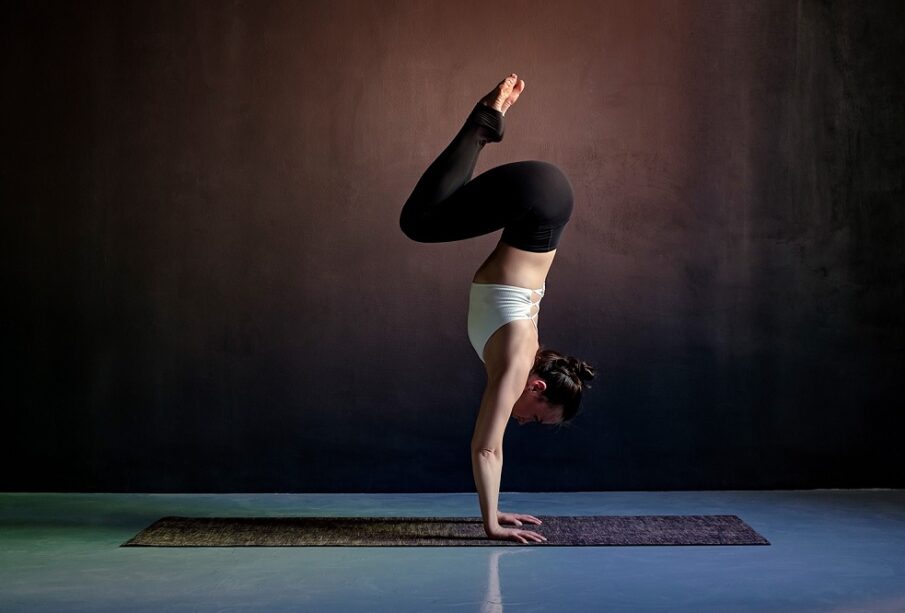
Vinyasa yoga has become one of the most popular styles of yoga practiced worldwide. Known for its fluid movements and breath synchronization, it offers numerous physical and mental health benefits. From enhancing flexibility and strength to improving mental clarity and reducing stress, vinyasa yoga holds a unique place in the yoga community. This practice is not just about flowing through postures; it’s about understanding the deep connection between body and mind. For those interested in exploring more about vinyasa yoga, Yoga Edition is a great place to start.
What is Vinyasa Yoga?
Vinyasa yoga is a style of yoga that involves a series of poses performed in a flowing sequence, synchronised with the breath. The word “vinyasa” itself translates to “arranging something in a special way” – a fitting description of how practitioners move from one pose to another, creating a fluid and dynamic experience. Unlike more static styles of yoga such as Hatha, vinyasa connects movement with breath, forming a continuous, smooth transition between asanas (yoga postures).
One of the defining characteristics of vinyasa yoga is its emphasis on breath control. The practice follows the breath with each movement, fostering a sense of mindfulness and focus. As the breath moves the body, vinyasa yoga becomes an opportunity for practitioners to connect deeply with themselves, fostering not only physical strength but also mental clarity and emotional balance.
The Physiological Benefits of Vinyasa Yoga
Practising vinyasa yoga regularly offers a multitude of physical benefits. The constant movement and flow between postures engage muscles across the body, helping to build strength, flexibility, and endurance. Here’s how vinyasa impacts the body:
- Improved Flexibility: Vinyasa yoga includes a wide variety of postures, some of which focus specifically on stretching and lengthening muscles. Regular practice can help improve flexibility over time, reducing the risk of injuries and improving joint health.
- Increased Strength: Holding poses and transitioning between them builds muscular endurance, particularly in the core, arms, legs, and back. As vinyasa yoga often incorporates more dynamic postures, the practice helps to develop functional strength needed in everyday activities.
- Cardiovascular Health: Vinyasa yoga is a more vigorous form of yoga. The flow of movements increases the heart rate and can act as a form of aerobic exercise, which is beneficial for cardiovascular health. Studies have shown that it can improve circulation, lower blood pressure, and help maintain a healthy heart.
- Improved Posture and Balance: Through the practice of various poses, vinyasa yoga enhances body awareness and strengthens muscles involved in posture. Improved balance and alignment also contribute to better posture in daily life.
- Detoxification: The continuous movement and breathwork in vinyasa yoga stimulate the lymphatic system, helping the body to detoxify and eliminate waste. Sweating during a vigorous vinyasa class also supports detoxification through the skin.
Mental and Emotional Benefits
In addition to its physical benefits, vinyasa yoga offers significant mental and emotional health advantages. The focus on breath and movement creates a meditative state, helping to reduce stress and enhance mental well-being. Here’s how it benefits the mind:
- Stress Relief: The deep breathing techniques used in vinyasa yoga activate the parasympathetic nervous system, promoting relaxation and reducing stress levels. By focusing on the present moment, practitioners can temporarily detach from the stresses of daily life, creating a sense of peace and calm.
- Mental Clarity: Synchronising breath with movement improves focus and concentration. Vinyasa yoga requires full attention and presence, which helps quiet the mind, reduce mental clutter, and promote clarity. This mental focus often carries over into other aspects of life, improving productivity and decision-making.
- Emotional Balance: The practice of vinyasa yoga encourages mindfulness, allowing practitioners to observe their thoughts and emotions without judgment. This awareness helps to regulate emotions, providing better control over responses to stress, frustration, or anxiety.
- Improved Sleep: Regular practice of vinyasa yoga can improve sleep quality by reducing levels of stress and anxiety. The calming effects of the practice, especially when done in the evening, promote relaxation and help the body transition into rest.
How Breathwork Enhances the Practice
One of the most important elements of vinyasa yoga is its focus on pranayama, or breath control. The practice teaches practitioners to use the breath as a tool to guide movement, control energy, and achieve deeper states of focus. The synchronization of breath and movement forms the foundation of the practice and significantly enhances the benefits of each posture.
Breathing in vinyasa yoga typically follows the ujjayi breath, which involves a slight constriction at the back of the throat to create an ocean-like sound. This controlled breathing helps regulate the flow of oxygen to the muscles, aids in endurance, and fosters mental clarity.
Breathwork not only improves physical performance but also helps maintain the flow of energy within the body. This energy flow, known as prana, is believed to support overall well-being and vitality. Vinyasa yoga’s emphasis on conscious breathing allows practitioners to cultivate a sense of calm, even amidst physical exertion.
The Role of Vinyasa Yoga in Mindfulness and Meditation
While vinyasa yoga is physically demanding, it also fosters a deep sense of mindfulness and meditation. By linking each breath with a movement, the practice requires complete attention and presence. This state of mindfulness is not just a temporary mental focus; it becomes an ongoing practice that can be applied throughout the day.
In fact, vinyasa yoga can be viewed as a moving meditation. The continuous flow from one posture to the next keeps the practitioner focused on the body and breath, which creates a deep sense of inner peace. The meditative aspect of the practice helps cultivate a deeper connection with oneself and enhances emotional resilience.
How to Get Started with Vinyasa Yoga
If you’re new to vinyasa yoga, it’s best to begin with beginner-level classes to familiarize yourself with the basic poses and breathing techniques. Many yoga studios, such as Yoga Edition, offer beginner-friendly classes, where instructors guide you through the postures and help you build a strong foundation.
As you progress in your practice, you can explore more advanced variations and faster-paced classes. Always remember to listen to your body and modify poses as needed. It’s important to build strength and flexibility gradually, rather than rushing into advanced postures.
Conclusion
Vinyasa yoga is a transformative practice that combines physical movement, breathwork, and mindfulness. It offers a wide range of benefits for both the body and mind, improving strength, flexibility, and mental clarity while reducing stress and promoting emotional balance. By incorporating vinyasa yoga into your routine, you can experience profound improvements in your overall health and well-being.
For those looking to start their journey or deepen their practice, Yoga Edition provides a variety of classes and resources to guide you along the way. Whether you’re new to yoga or a seasoned practitioner, vinyasa yoga offers a holistic approach to wellness that nurtures both the body and the mind.