
The Role of Yoga in Developing Greater Body Awareness

Modern daily routines often encourage a state of physical detachment. Long hours spent sitting in front of computer monitors, looking down at digital screens, and navigating repetitive daily stressors lead many individuals to live almost entirely inside their own heads. The physical body is frequently ignored until an acute ache, chronic muscle tightness, or an injury demands immediate attention.
Yoga offers a direct and time-tested method for restoring this lost connection. Through the deliberate combination of physical postures, rhythmic breathing, and focused internal observation, yoga transforms movement into a tool for self-discovery. Developing greater body awareness, also referred to as somatic mindfulness, enables individuals to move with intention, prevent injuries, regulate nervous system responses, and maintain functional mobility throughout life.
Understanding Somatic Awareness: Proprioception and Interoception
To understand how yoga builds body awareness, it is essential to distinguish between the two primary sensory systems that govern physical self-perception: proprioception and interoception.
-
Proprioception: Often described as the sixth sense, proprioception is the nervous system’s ability to sense the position, orientation, and movement of the body and limbs in space without relying on visual feedback. Specialized mechanoreceptors located within muscles, tendons, ligaments, and joint capsules constantly feed information to the brain regarding joint angles, muscle length, and force distribution.
-
Interoception: This refers to the perception of internal bodily sensations. It encompasses an awareness of heart rate, respiratory cadence, digestive sensations, muscle tension, internal temperature, and the visceral manifestations of emotional stress. Interoceptive signals travel to the insular cortex, the brain region responsible for processing self-awareness and emotional regulation.
Traditional fitness regimens often prioritize external outcomes, such as weight lifted, miles run, or repetitions completed, frequently encouraging participants to ignore discomfort or bypass internal bodily cues. Yoga operates in reverse. It shifts attention inward, requiring the practitioner to continuously monitor both where their limbs are located in space and how internal systems respond to each movement.
Refining Proprioception Through Asana Practice
The physical postures of yoga, known as asanas, serve as a laboratory for proprioceptive training. Moving into, maintaining, and transitioning out of these shapes challenges the brain to map the body with increasing precision.
Grounding and Foot Articulation
In daily life, conventional footwear with thick, rigid soles often deadens the sensory receptors on the bottoms of the feet. Most standing yoga postures are performed barefoot on a firm surface, reactivating thousands of sensory nerve endings.
Postures like Mountain Pose (Tadasana) or Warrior II (Virabhadrasana II) require conscious engagement with the four corners of each foot: the mound of the big toe, the mound of the pinky toe, the inner heel, and the outer heel. By actively lifting the arches, spreading the toes, and distributing weight evenly, practitioners build an acute sensitivity to their foundation. This enhanced sensory feedback refines baseline balance and corrects unconscious gait dysfunctions.
Balance and Vestibular Integration
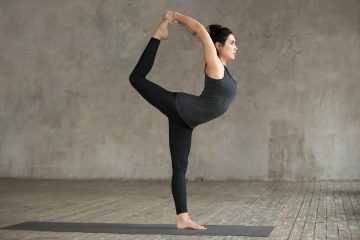
Balancing postures, such as Tree Pose (Vrksasana), Eagle Pose (Garudasana), or Half Moon Pose (Ardha Chandrasana), expose subtle micro-movements and postural compensations. When balancing on one foot, the ankle and lower leg perform continuous, microscopic adjustments to maintain center of gravity.
These postures integrate sensory inputs from three systems:
-
The proprioceptors in the joints and muscles
-
The vestibular system located in the inner ear, which detects head position and equilibrium
-
The visual system, focused on a steady focal point (drishti)
When visual input is deliberately altered, such as closing the eyes while holding a shape or turning the gaze upward, the brain is forced to rely entirely on internal mechanoreceptors and the vestibular apparatus. This challenges and recalibrates the neuromuscular system, building resilience against accidental trips and falls.
Kinetic Chain Alignment
Yoga demands multi-planar movement, requiring the body to flex, extend, laterally bend, and rotate. In complex shapes like Revolved Triangle Pose (Parivrtta Trikonasana), the practitioner must maintain stable grounding through the feet, keep the pelvis neutral, lengthen the spine, rotate through the thoracic cage, and extend the arms in opposing directions simultaneously.
Coordinating these multi-directional actions forces the practitioner to develop full-body awareness. You learn to recognize how tension in one area, such as tight hamstrings or restricted hip flexors, pulls directly on adjacent structures like the lumbar spine or sacroiliac joint. This holistic understanding of the kinetic chain helps individuals identify and resolve postural imbalances before they develop into chronic pain.
Enhancing Interoception via Breath and Somatic Tracking
While postures build external spatial awareness, the integration of conscious respiration (pranayama) and somatic inquiry deepens interoceptive sensitivity.
The Breath as an Internal Mirror
The breath serves as an immediate barometer of the nervous system. Under stress or physical strain, breathing often shifts to shallow, rapid inhalations concentrated in the upper chest, signaling sympathetic nervous system activation.
In yoga, practitioners are taught to sustain steady, slow diaphragmatic breathing throughout dynamic movements and intense static holds. When a posture becomes challenging, the mind instinctively contracts and the breath tends to freeze. By noticing this subtle constriction and actively restoring a smooth breathing pattern, the practitioner learns to track physiological arousal levels in real time. This awareness transfers directly off the mat, allowing individuals to identify early signs of stress during daily life and intervene before full emotional dysregulation occurs.
Mapping Muscular Holding Patterns
Many individuals carry habitual physical tension without conscious awareness. Chronic stress often manifests as elevated shoulders, clenched jaws, tight pelvic floors, or contracted abdominal walls.
During long-held passive postures, such as those found in Yin or Restorative yoga, practitioners stay in supported shapes for several minutes. These prolonged holds invite continuous sensory scanning. Practitioners learn to distinguish between active muscular engagement, protective tension, and true muscular release. Recognizing these subtle differences trains the brain to voluntarily relax overactive muscle groups, downregulating baseline physical tension.
Neurobiology of Body Awareness in Yoga
The improvements in physical awareness achieved through yoga are not purely psychological; they are backed by structural and functional adaptations within the central nervous system.
-
Insular Cortex Expansion: Neuroimaging research shows that regular contemplative movement practices like yoga correlate with increased gray matter density and thicker cortical regions within the insula. The insula acts as the command center for interoception, translating visceral sensations into conscious awareness.
-
Refining the Cortical Somatosensory Map: The brain maintains a dynamic neurological map of the physical body in the primary somatosensory cortex, often depicted as the sensory homunculus. When specific body parts are rarely moved through full ranges of motion, this neural map can become blurred or smudged, leading to poor motor control and vague pain signals. The precise, varied movements of yoga sharpen and clarify this cortical map, providing the brain with high-resolution data about every joint and muscle group.
-
Downregulating Amygdala Reactivity: Heightened body awareness helps differentiate between constructive physical sensation and genuine danger. By safely experiencing intense physical sensations without panic, the brain’s fear center (the amygdala) becomes less reactive to normal bodily inputs, reducing hypervigilance and pain catastrophizing.
Daily Applications of Heightened Somatic Awareness
Cultivating body awareness on the mat yields functional benefits across various facets of daily life:
-
Ergonomic Adaptation: Individuals become immediately aware when their posture deteriorates at a desk, allowing them to adjust spinal alignment before neck stiffness or lower back strain develops.
-
Injury Prevention in Daily Tasks: Heightened proprioception ensures that lifting heavy objects, bending down, or reaching overhead is performed using proper biomechanics and core bracing.
-
Emotional Self-Regulation: Because emotional states are directly tied to physiological changes, such as a tightening throat, a racing pulse, or a churning stomach, interoceptive awareness allows a person to recognize stress at its somatic onset and take proactive calming measures.
-
Optimized Athletic Performance: Athletes with refined kinesthetic awareness generate power more efficiently, adjust to rapid changes in playing surfaces, and recover faster from physical demands.
Frequently Asked Questions
How does body awareness developed through yoga help with chronic pain management?
Chronic pain often creates a state of sensory smudging in the brain, where the nervous system sends generalized alarm signals even after initial tissue injury has healed. Yoga helps retrain the brain to map sensations accurately, distinguishing between actual mechanical damage and safe, non-threatening sensations. This gradual, mindful exposure desensitizes an overactive nervous system and reduces fear-avoidance behaviors associated with pain.
Can beginners develop body awareness if they lack flexibility or balance?
Yes. Body awareness is an internal perceptive skill, not a measure of physical flexibility or advanced balance. In fact, individuals who struggle with balance or mobility often experience rapid gains in awareness because their nervous systems are actively working to navigate unfamiliar physical coordinates. Using modifications and props like blocks, straps, and chairs provides immediate sensory feedback that accelerates this learning process.
What is the difference between body awareness in yoga versus traditional weightlifting?
Traditional weightlifting typically emphasizes external performance metrics, such as load, speed, and repetition count, which can sometimes lead lifters to focus outward or ignore subtle joint feedback. Yoga focuses primarily on the qualitative, internal experience of the movement, emphasizing joint positioning, breath regulation, and sensory feedback throughout both active and passive ranges of motion.
Why do some people feel emotional or tearful during certain yoga postures?
The body stores muscular tension as a somatic response to unexpressed emotional stress, trauma, or fatigue. Postures that open deeply guarded areas, such as the hips, chest, and pelvic region, release long-held physical holding patterns. When these chronic contractions soften, the nervous system often discharges associated emotional tension, leading to sudden feelings of emotional release or relief.
How often should someone practice yoga to see measurable improvements in proprioception?
Practicing two to three times per week for twenty to forty-five minutes provides consistent neurological stimulation to refine proprioceptive pathways. Even short, daily five-minute sessions focusing on balance postures, foot articulation, and breath awareness can significantly sharpen the brain’s internal bodily mapping within a few weeks.
Which specific styles of yoga are most effective for improving interoception?
Styles that emphasize slow, mindful transitions, sustained holds, and breath awareness are particularly effective for interoceptive development. Practices such as Hatha, Yin, Restorative, and Somatic Yoga allow sufficient time to observe internal sensations, track heart rate shifts, and notice subtle patterns of tension without rushing to keep up with fast-paced choreography.
Can practicing yoga barefoot provide benefits beyond just mat-based stability?
Yes. Exercising barefoot strengthens the intrinsic muscles of the feet, enhances ankle stability, and restores natural toe splay, which is often restricted by modern footwear. The dense network of sensory receptors on the soles of the feet becomes more responsive, delivering clearer feedback to the brain regarding ground reaction forces, which improves balance and posture during all everyday walking activities.