

Strength Training for Women Over 35 in Singapore: Hormones and Bone Density
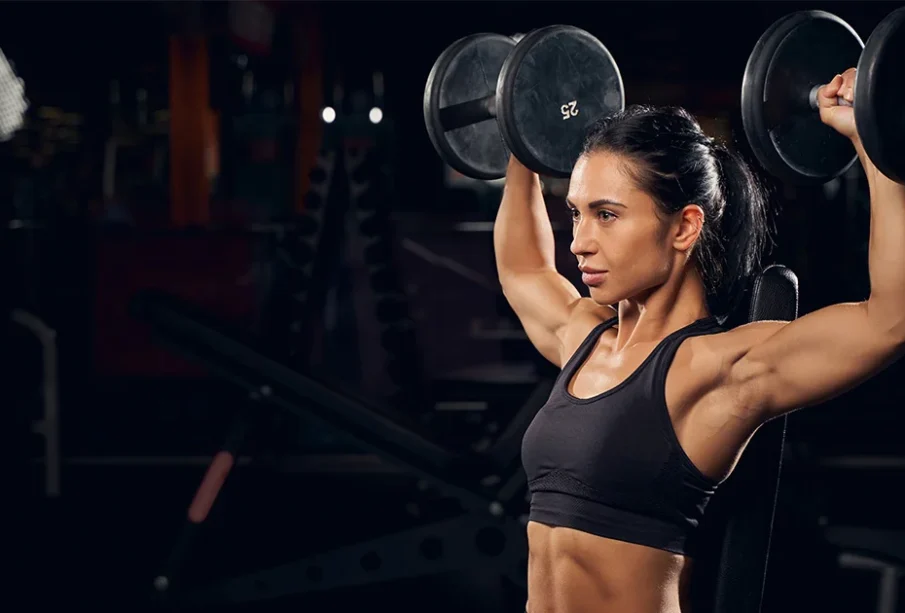
There is a persistent and damaging gap between the fitness advice most women over 35 receive and what the science on female physiology actually supports. The standard narrative — eat less, do more cardio, avoid heavy weights — is not just ineffective for women in this age group. It actively works against the hormonal and physiological changes happening in their bodies from the mid-30s onward. For women in Singapore navigating perimenopause, demanding careers, family responsibilities, and a food culture that makes precise nutrition genuinely challenging, the right approach to strength training is one of the most impactful health decisions available.
Working with a qualified fitness trainer Singapore who understands female physiology, hormonal cycles, and the specific nutritional realities of Singapore’s food environment makes the difference between a programme that produces lasting results and one that leaves you exhausted, frustrated, and no closer to your goals.
What Actually Happens to Your Body After 35
The physiological changes that begin in a woman’s mid-30s are not subtle. They are systemic, interconnected, and directly relevant to how training and nutrition need to be structured.
Declining Oestrogen and Its Consequences
Oestrogen plays a critical role in muscle protein synthesis, fat distribution, insulin sensitivity, and bone mineral density. As oestrogen levels begin their gradual decline through perimenopause, several changes occur simultaneously. Fat redistribution shifts from the hips and thighs (subcutaneous fat) toward the abdomen (visceral fat), which carries significantly higher cardiovascular and metabolic health risks. Insulin sensitivity decreases, meaning the same carbohydrate intake that maintained your weight at 28 may now contribute to fat gain at 38. Recovery between training sessions slows because oestrogen’s anti-inflammatory properties are reduced.
Muscle Loss and Metabolic Rate
Sarcopenia — the age-related loss of skeletal muscle mass — begins as early as the mid-30s and accelerates through the 40s and 50s without active intervention. Women lose approximately three to five percent of muscle mass per decade from their 30s onward if they do not engage in progressive resistance training. Because muscle tissue is metabolically active, each kilogram of muscle lost reduces resting metabolic rate, creating a progressively larger gap between caloric intake and expenditure. This is the physiological mechanism behind the “I eat the same as I always have but keep gaining weight” experience that is extremely common among Singaporean women in this age group.
Bone Density and Osteoporosis Risk
Asian women carry a higher genetic predisposition to osteoporosis than Caucasian women and have lower average peak bone density. This makes the bone density effects of declining oestrogen particularly significant for women in Singapore. Oestrogen directly stimulates osteoblasts (bone-building cells) and inhibits osteoclasts (bone-resorbing cells). As oestrogen declines, this balance shifts toward net bone loss. The window between the mid-30s and early 50s is when targeted intervention — specifically progressive resistance training — can meaningfully slow this loss and in some cases reverse it.
Why Cardio-Dominant Training Fails Women Over 35
The cultural pressure on women to favour cardio over resistance training is deeply entrenched in Singapore’s fitness landscape. Group cycling, treadmill running, aerobics classes, and dance fitness programmes dominate the fitness choices of most women in this age group. While cardiovascular exercise has genuine health benefits, it is insufficient as the primary training modality for women over 35 for several specific reasons.
Chronic cardio without resistance training accelerates muscle loss rather than preventing it. The caloric deficit created by cardio training is as likely to be met by breaking down muscle protein as by oxidising fat, particularly in a low-protein dietary context. Cardio does not produce meaningful osteogenic (bone-building) stimulus in the same way that loaded resistance training does. Impact from running provides some bone stimulus, but the compressive forces generated by resistance training across the full skeleton are significantly more effective for bone density maintenance.
Additionally, chronic high-volume cardio elevates cortisol, which suppresses oestrogen further and promotes visceral fat storage — precisely the opposite of what women in perimenopause need.
Progressive Overload: The Non-Negotiable Principle
Progressive overload is the systematic, gradual increase in training demand over time. It is the mechanism by which strength training produces its results, and it is frequently misunderstood or ignored by women who have been told to “just stay active” rather than to train with specific progressive intent.
For women over 35, progressive overload in resistance training produces several outcomes that no other training modality replicates. It builds and preserves lean muscle mass, directly counteracting sarcopenia. It places mechanical stress on bone through muscular contraction and gravitational loading, stimulating bone remodelling and increasing density. It improves insulin sensitivity by increasing the amount of glucose absorbed by muscle tissue. It raises resting metabolic rate by increasing lean mass. And it improves functional strength that directly translates to quality of life — the ability to carry groceries, move furniture, handle physical demands at work and at home.
A common mistake is for women to train consistently at the same weight and repetition range for months on end, never increasing the challenge. This maintains baseline fitness but produces no progressive physiological adaptation. A trainer applies progressive overload systematically, tracking performance across sessions and increasing load, volume, or complexity at the appropriate rate for each individual.
Training Around Your Hormonal Cycle
A significant advantage of working with a trainer who understands female physiology is the ability to periodise training intensity around the hormonal fluctuations of the menstrual cycle. For women who are premenopausal or in early perimenopause, hormonal variation throughout the cycle has measurable effects on strength, recovery, and exercise tolerance.
During the follicular phase (approximately days one to fourteen, from the onset of menstruation to ovulation), rising oestrogen levels improve neuromuscular efficiency, pain tolerance, and recovery capacity. This is typically the phase when women feel strongest and most capable of handling higher training intensity and volume.
During the luteal phase (approximately days fifteen to twenty-eight, from ovulation to the next menstruation onset), rising progesterone alongside declining oestrogen reduces neuromuscular efficiency, increases perceived exertion, and slows recovery. Reducing training intensity moderately during this phase, while maintaining movement quality and consistency, optimises long-term adaptation and reduces the risk of overtraining.
Protein Nutrition in Singapore’s Food Context
Protein is the most critical nutritional variable for women over 35 pursuing strength and body composition goals. Research consistently supports a target of 1.6 to 2.2 grams of protein per kilogram of bodyweight daily for women engaging in progressive resistance training. For a 60-kilogram woman, this means 96 to 132 grams of protein daily — considerably more than the average Singaporean woman currently consumes.
The challenge in Singapore is that the most common dietary staples — white rice, noodles, bread, and starchy snacks — are carbohydrate-dominant with modest protein content. Building protein intake to the required level through hawker centre and food court meals requires deliberate, informed food selection.
High-protein options readily available in Singapore’s food environment include steamed chicken rice (choosing more protein and less rice), fish soup with extra fish, eggs in multiple forms, tofu dishes, minced meat noodle soup, and seafood options at most food courts. A trainer who understands both the nutritional requirements and the local food environment can help you build a realistic eating strategy around the foods you actually have access to.
Strength Training and Bone Density: What the Research Shows
The evidence for resistance training’s effect on bone density in women is among the most robust in exercise science. Studies consistently demonstrate that progressive resistance training increases bone mineral density at the lumbar spine and femoral neck — the two sites most vulnerable to osteoporotic fracture — in premenopausal and early postmenopausal women.
The osteogenic stimulus from resistance training comes primarily from the compressive forces generated when muscles contract against resistance. Compound movements that load the spine and lower body — squats, deadlifts, lunges, Romanian deadlifts, and hip thrusts — are the most effective at generating this stimulus. Upper body compound movements including pressing and rowing also contribute meaningfully to upper body bone density.
The dose matters. Light resistance training with bands or small dumbbells does not generate sufficient mechanical load to produce meaningful osteogenic effects. Progressive loading to challenging weights, guided by a trainer who knows how to increase load safely and systematically, is required.
TFX Singapore has trainers who specialise specifically in pre and post-natal coaching, rehabilitative and corrective exercise, and female-focused programming. For women over 35 navigating the physiological changes of this life stage, this level of specialisation is what ensures your programme addresses the full complexity of your needs rather than applying a generic template.
FAQ
Q: I have osteopenia. Is it safe to start heavy strength training?
A: Yes, in most cases, and it is particularly important to do so. Osteopenia is the precursor stage to osteoporosis, and progressive resistance training is one of the most effective interventions available for preventing further bone loss and improving bone mineral density. The key is to progress loading gradually under the guidance of a trainer who is aware of your diagnosis. High-impact movements or exercises that place asymmetrical spinal loads should be introduced carefully. Always inform your trainer of your bone density status and share any guidance from your orthopaedic specialist or endocrinologist.
Q: Will strength training make me look bulky?
A: This concern is one of the most persistent and most unfounded in women’s fitness. Women have significantly lower testosterone levels than men, which is the primary hormonal driver of substantial muscle hypertrophy. The “bulky” physiques associated with female bodybuilders are the product of years of extremely high training volumes, specific nutritional protocols, and in many cases pharmacological assistance. Progressive strength training for women over 35 produces a leaner, more defined physique with improved posture and functional capacity. It does not produce bulk in the absence of the specific conditions required for it.
Q: How does strength training interact with HRT (hormone replacement therapy)?
A: For women on hormone replacement therapy, resistance training compounds the benefits of HRT significantly. HRT restores some of the oestrogen-driven muscle protein synthesis and bone-building capacity that declines in perimenopause. Combining it with progressive resistance training means your muscles and bones have both the hormonal environment and the mechanical stimulus required for adaptation. Women on HRT should inform their trainer so that training intensity and recovery protocols can be calibrated appropriately, particularly in the early period of hormonal adjustment.
Q: I have not exercised in years. Is it too late to start strength training at 45?
A: It is never too late, and starting at 45 still provides substantial benefits. Studies show meaningful improvements in muscle mass, bone density, metabolic rate, and functional capacity in women who begin resistance training in their 40s and 50s. The timeline for seeing results is similar to younger adults, though recovery between sessions may be slightly longer. Starting with lower loads and higher emphasis on movement quality before progressively loading is the appropriate approach and is exactly what a qualified trainer will implement.
Q: How do I manage strength training around joint pain that has developed with age?
A: Joint pain in the knees, hips, and shoulders is common in this age group and is frequently the result of the postural dysfunction and muscle imbalances developed over years of sedentary work rather than true articular damage. A trainer experienced in corrective exercise and rehabilitative programming can often identify and address the muscular causes of joint pain, allowing you to train progressively without aggravating the affected joints. Exercises are selected and modified specifically around your pain-free range of motion, and loading is increased only when movement quality is confirmed. Training with chronic joint pain requires experienced guidance, but it is rarely a reason to avoid training altogether.