
Post-Pandemic Fitness: Why Personal Training in Singapore Is Surging in 2025
The global pandemic transformed the way people view health and wellness. In Singapore, where resilience and adaptability are part of the national identity, the post-pandemic years have sparked a renewed focus on fitness. More people are now investing in a personal fitness trainer Singapore, recognising that expert guidance is not a luxury but a necessity. By 2025, personal training has become one of the fastest-growing segments in Singapore’s fitness industry, driven by new habits, hybrid models, and a stronger commitment to preventive health.
Shifts in Fitness Attitudes After the Pandemic
The pandemic years reminded Singaporeans of the importance of strong immunity, healthy lifestyles, and stress management. Gyms were once seen primarily as places to lose weight or build muscle. Today, fitness is seen as a foundation for overall health and resilience. This mindset shift has created a surge in demand for personal trainers who can deliver customised, safe, and effective solutions.
Increased Awareness of Preventive Health
Prioritising Health Over Convenience
Before COVID-19, many people delayed fitness due to work or family commitments. Now, there is greater awareness that good health is a form of insurance against illness and lifestyle-related conditions. Trainers help clients stay proactive, building fitness habits that reduce risks of chronic diseases such as diabetes or hypertension.
Trainers as Preventive Health Partners
Personal trainers are no longer seen only as gym instructors. They now act as holistic health partners, advising on exercise, recovery, nutrition, and even stress management. This integrated approach ensures clients achieve sustainable wellness rather than chasing temporary results.
Rise of Hybrid Fitness Models
In-Person and Digital Integration
One of the lasting trends from the pandemic is the hybrid model. Clients often combine face-to-face sessions with digital coaching. Trainers provide live feedback in the gym while also sending home-based routines through apps. This flexible arrangement ensures consistency even when schedules are disrupted by travel or long work hours.
Virtual Check-Ins and Accountability
Virtual check-ins via video calls or chat apps keep clients accountable between in-person sessions. For busy professionals, this hybrid support makes personal training more practical and cost-effective.
At-Home and Outdoor Training Options
Home-Based Training
Many Singaporeans now prefer exercising in the comfort of their homes or condo gyms. Trainers adapt by offering equipment-free or resistance band-based workouts that deliver results without needing a full gym setup.
Outdoor and Group Sessions
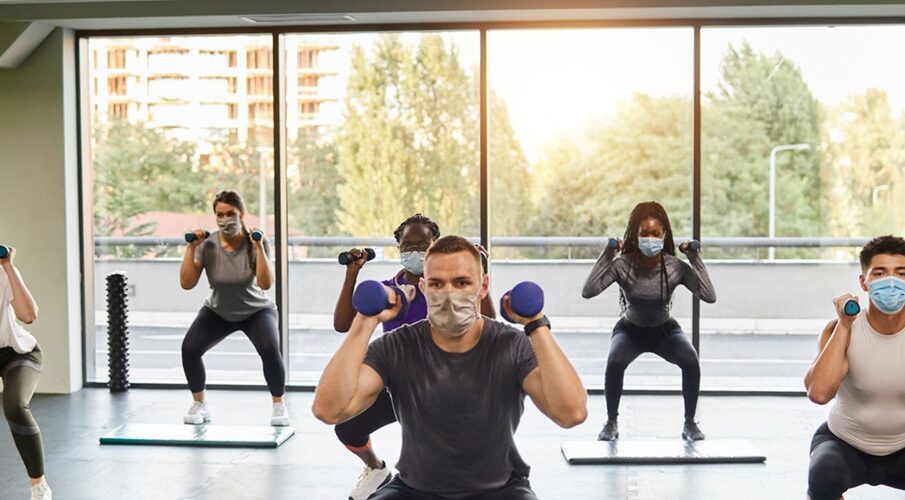
Singapore’s parks, waterfronts, and open spaces have also become popular venues for personal training. Trainers host small group sessions at East Coast Park, Marina Bay, or neighbourhood green spaces. These sessions combine fitness with social interaction, providing a sense of community that many missed during lockdowns.
Community and Small Group Training
Social Motivation in Fitness
One of the key lessons from the pandemic is the value of community support. Trainers are increasingly organising small group personal training programmes where friends or families train together. This format provides accountability, fun, and cost-sharing benefits while maintaining personalised attention.
Encouraging Inclusivity
Group sessions are also attracting seniors and beginners who may feel intimidated by one-on-one training. The supportive environment motivates people of all ages to take part in fitness without fear of judgment.
True Fitness as a Post-Pandemic Choice
At True Fitness, the focus on post-pandemic health is evident. Trainers are trained to adapt workouts for all fitness levels, from young professionals to seniors. With hybrid programmes, community-based classes, and cutting-edge facilities, True Fitness provides an ecosystem where health is seen as a lifestyle, not a short-term project.
Clients benefit from structured programmes, nutritional coaching, and ongoing progress tracking. The brand emphasises long-term results, making personal training a central pillar of sustainable wellness in 2025.
Outlook for 2025 and Beyond
The fitness industry in Singapore is expected to grow further as more residents view health as an investment. Trends shaping the future include:
-
AI in Fitness Coaching – predictive analytics to anticipate progress plateaus
-
Wearable Integration – smart devices providing trainers with real-time health insights
-
Senior-Centric Training – programmes tailored for Singapore’s ageing population
-
Corporate Wellness Programmes – employers offering personal training as part of employee benefits
Personal trainers are at the heart of this evolution, bridging the gap between science, technology, and human motivation.
Real-Life Examples of Post-Pandemic Fitness Journeys
-
The Busy Executive: During lockdowns, he struggled with weight gain. By 2025, hybrid personal training sessions helped him shed 10kg while managing stress better.
-
The Young Mother: She preferred home-based workouts while caring for her children. With her trainer’s guidance, she regained strength and improved stamina without leaving home.
-
The Retiree: Isolated during the pandemic, he now trains in small groups with friends. The social connection keeps him active and mentally sharp.
These stories reflect how trainers adapt to individual needs, ensuring fitness remains relevant in a post-pandemic world.
Why Personal Training Is Surging in Popularity
-
Health First Mindset – People now prioritise wellness as much as career and family.
-
Hybrid Accessibility – Blending digital and in-person options makes training convenient.
-
Customised Support – Trainers tailor workouts and nutrition for different lifestyles.
-
Community Spirit – Group sessions and shared accountability keep people motivated.
-
Sustainability – Trainers focus on long-term health, not short-term fixes.
FAQ on Post-Pandemic Personal Training in Singapore
Q1: Why has demand for personal trainers increased since the pandemic?
The pandemic highlighted the importance of strong immunity, healthy habits, and fitness as preventive healthcare. Trainers provide structured guidance to meet these needs.
Q2: Are hybrid training models effective?
Yes. Combining in-person and digital coaching ensures flexibility. Clients stay consistent even during busy workweeks, travel, or family commitments.
Q3: Can I train effectively at home without gym equipment?
Absolutely. Trainers create programmes using bodyweight exercises, resistance bands, and small equipment like dumbbells. Home-based training can be just as effective with proper guidance.
Q4: Are small group training sessions as personalised as one-on-one?
Yes. While the cost is shared, trainers still customise intensity and routines for each participant. Group sessions also add social motivation.
Q5: How does True Fitness support post-pandemic fitness goals?
True Fitness offers hybrid programmes, expert trainers, and structured assessments that adapt to individual needs. Clients receive both in-person coaching and digital support for consistent progress.