
Why Pilates Singapore is the Perfect Low-Impact Workout for Injury Recovery and Prevention
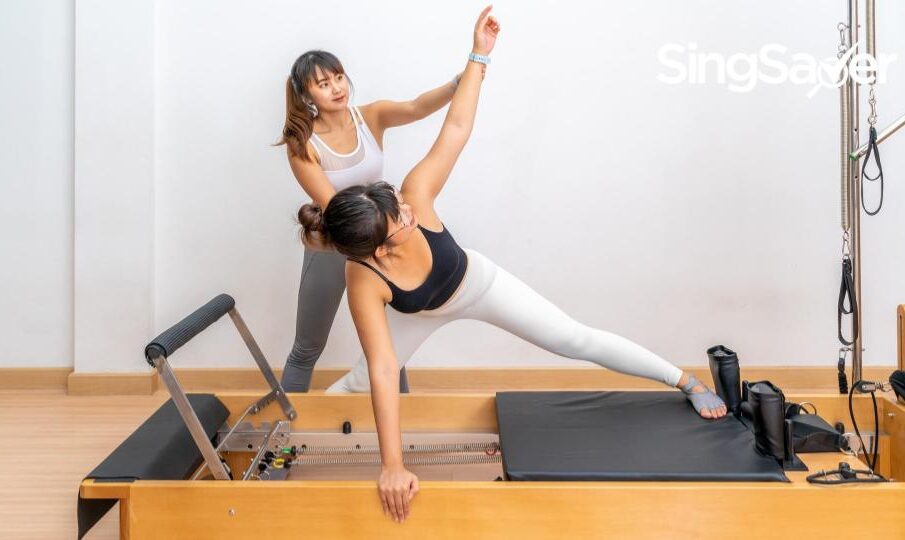
Recovering from an injury often comes with uncertainty. People worry about pushing too hard, aggravating old pain, or starting exercise routines that may cause setbacks. This is where pilates singapore plays a valuable role. With its controlled, low-impact approach, Pilates helps individuals regain strength, restore mobility, and prevent future injuries without placing unnecessary strain on the body. It is a method built on mindful movement, making it safe and effective for people at different stages of recovery.
Why Low-Impact Exercise Matters in Recovery
Injury recovery requires patience. High-impact workouts such as running or plyometric training can overload healing tissues. Low-impact exercise, on the other hand, focuses on stability, gentle strength, and controlled mobility. Pilates falls perfectly into this category. It reduces stress on joints and muscles while still building resilience. This makes it ideal for individuals recovering from sports injuries, workplace strains, or general overuse issues.
How Pilates Builds Functional Strength
One of the greatest strengths of Pilates is its focus on functional movement. Instead of isolating muscles, Pilates trains the body to work as a connected system. This holistic approach helps improve movement efficiency, which is essential for avoiding reinjury.
Key areas strengthened in Pilates include:
-
Core stability: Supporting the spine and pelvis.
-
Joint control: Encouraging smooth, safe motion.
-
Balance and coordination: Reducing falls or missteps that lead to injury.
-
Flexibility: Allowing muscles to lengthen and release tension.
By retraining the body to move properly, Pilates ensures that old habits which may have contributed to injury do not return.
Pilates for Common Injuries
Pilates has been widely used by physiotherapists and movement specialists to aid in rehabilitation. Its adaptability means it can be tailored to specific needs.
Back and Spine Issues
Pilates is particularly effective for individuals with lower back pain. Exercises that focus on spinal articulation, such as bridging, help release tension while strengthening stabilising muscles. Consistent practice improves alignment and reduces the chance of recurring discomfort.
Shoulder and Neck Pain
Poor posture and repetitive movements can lead to strain in the shoulders and neck. Pilates addresses this by engaging the scapular stabilisers and promoting upper-body mobility. Controlled movements prevent compensation patterns that often worsen pain.
Knee and Hip Injuries
For those recovering from knee or hip problems, Pilates strengthens surrounding muscles without overloading the joints. Gentle movements like leg circles and side-lying leg lifts rebuild stability while maintaining proper alignment.
Sports-Related Strains
Athletes often return to activity too quickly after a strain or sprain. Pilates offers a safer bridge back to sports by reinforcing correct mechanics, especially in high-risk areas such as hamstrings, calves, and ankles.
Why Pilates Prevents Future Injuries
Prevention is as important as recovery. Pilates enhances body awareness, teaching individuals how to recognise poor movement patterns before they cause harm. By practising controlled exercises, people develop strength in stabilising muscles, which reduces the risk of sudden twists, falls, or awkward lifts leading to injury.
For example, an office worker in Singapore who experiences repeated wrist pain from typing can benefit from Pilates exercises that strengthen forearm muscles and improve posture. Similarly, a runner with recurring shin splints can correct imbalances through Pilates routines focused on hip and core strength.
The Role of Breathing in Healing
Breathwork is an often-overlooked aspect of recovery. In Pilates, breathing is coordinated with each movement. Deep, controlled breathing not only supports concentration but also improves oxygen delivery to healing tissues. This accelerates recovery, reduces tension, and helps maintain focus throughout the rehabilitation process.
Why Pilates is Sustainable Long-Term
Unlike quick fixes that only target short-term pain, Pilates provides tools for lifelong movement. It can be adapted to every fitness level, from beginners to advanced practitioners. For someone recovering from surgery or injury, this means they can start with gentle mat exercises and gradually progress to more challenging routines as their body strengthens. Sustainability ensures that the benefits extend beyond recovery and become part of everyday life.
Real-Life Applications in Singapore
-
Post-surgery rehabilitation: A middle-aged executive recovering from knee surgery eased back into exercise through twice-weekly Pilates sessions, regaining mobility without pain.
-
Work-related strain: A young professional dealing with carpal tunnel discomfort found relief through wrist and shoulder stability exercises in Pilates.
-
Active ageing: Seniors with hip stiffness experienced improved mobility and balance, reducing their risk of falls.
These examples show how Pilates adapts to individual needs, supporting healing while preventing setbacks.
Choosing the Right Pilates Environment
Recovery requires a safe and encouraging space. Studios that emphasise proper form and individualised instruction help clients maximise results without overexertion. A professional studio like Yoga Edition offers an environment where beginners, athletes, and those recovering from injuries can progress confidently under experienced guidance.
Tips for Getting Started with Pilates in Recovery
Starting Pilates after an injury can feel daunting. Here are some tips to make the transition smoother:
-
Get medical clearance: Always check with your doctor before starting any new exercise after an injury.
-
Begin with mat Pilates: Mat-based routines focus on control and form, ideal for rehabilitation.
-
Prioritise quality over quantity: Perfecting form is more valuable than rushing through repetitions.
-
Communicate with instructors: Share details of your injury so exercises can be adapted.
-
Stay consistent: Attending classes regularly ensures gradual, safe progress.
The Broader Benefits Beyond Injury
While recovery is often the initial motivation, Pilates delivers ongoing benefits. It builds resilience, boosts energy levels, and enhances posture. These outcomes not only prevent future injuries but also improve overall quality of life. Whether it is sitting comfortably at a desk, walking with ease, or participating in sports, Pilates provides the foundation for moving better every day.
FAQs
Q. Can I start Pilates immediately after an injury?
It depends on the severity of the injury. For acute cases, it is best to follow medical advice and begin only when cleared by a healthcare professional.
Q. How often should I attend Pilates sessions for recovery?
Two to three sessions a week is ideal for noticeable progress. Consistency is more important than intensity in rehabilitation.
Q. Do I need special equipment for Pilates in Singapore?
Not necessarily. Mat Pilates is highly effective for recovery. Over time, props like resistance bands or reformer machines can be introduced.
Q. Can Pilates replace physiotherapy?
Pilates complements physiotherapy but should not replace it. It can, however, be a valuable part of a long-term rehabilitation programme.
Q. Is Pilates suitable for older adults recovering from falls or surgery?
Yes. Pilates can be modified to suit different fitness levels and age groups, making it especially beneficial for older adults looking to regain mobility and confidence.