

Sydney Office Catering Trends Every Event Planner Should Know
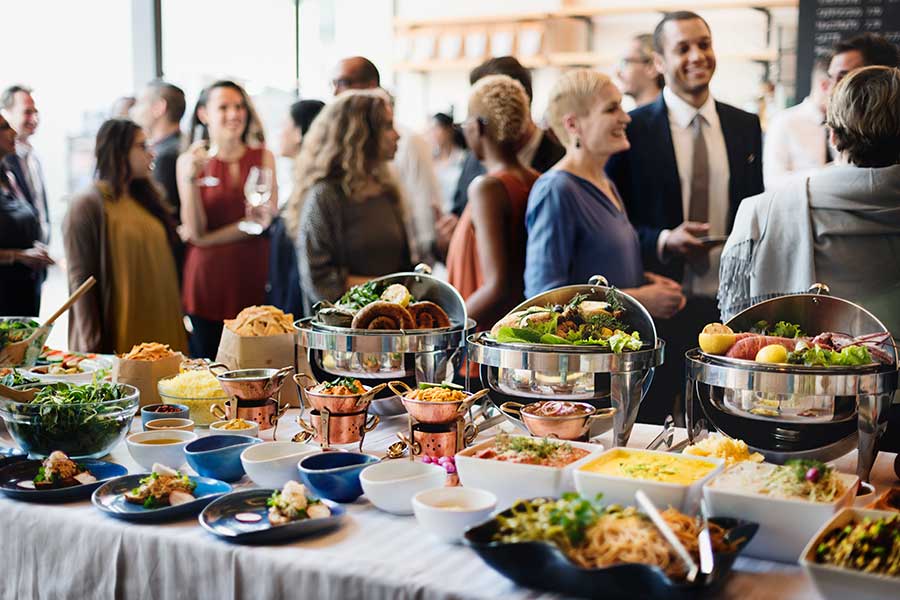
Walk into any office kitchen across Sydney right now and you’ll notice a shift. The soggy sandwich platter is on its way out, and in its place is something a little more considered — seasonal, sustainable, and built to actually feed the whole team, not just the people who got there first. Whether you’re organising a Monday team meeting in the CBD or a full-day workshop out in the Hills District, the expectations around corporate catering have genuinely moved on, and it’s worth knowing what’s changed before you place your next order.
Spring Has Sprung, and the Menu Should Know It
As Sydney eases out of winter and into spring, produce from across New South Wales starts hitting its stride. Asparagus, snow peas, broad beans and the first of the season’s stone fruit begin appearing on menus, alongside staples like avocado, capsicum and leafy greens that are grown closer to home. A caterer who’s paying attention to what’s actually in season — rather than flying in the same tired menu year-round — tends to produce food that simply tastes better, and it’s a small but meaningful sign that a supplier knows their craft. If you’re organising catering for a Sydney CBD boardroom or a site meeting out in Western Sydney, ask your caterer what’s currently in season. A good one will have an answer ready, not a shrug.
Zero-Waste Isn’t a Buzzword Anymore, It’s an Expectation
A few years back, “sustainable catering” mostly meant swapping plastic cutlery for wooden forks and calling it a day. These days, Sydney businesses — particularly those in the Inner West and Northern Beaches, where community expectations around waste tend to run high — are asking harder questions. How much food is left over? Where does it go? Is the packaging actually compostable, or just labelled that way? Caterers who take this seriously are portioning more accurately using RSVP data, partnering with food rescue organisations, and switching to genuinely biodegradable packaging rather than greenwashed alternatives. It’s worth asking your caterer directly what happens to unused food after your event — the answer tells you a lot about how seriously they take it.
Dietary Inclusivity Is Now the Baseline, Not the Add-On
Gone are the days of one sad vegetarian option shoved to the end of the platter. Vegan, gluten-free, dairy-free and nut-free requirements are now standard considerations for any office event, and the best caterers build them into the menu from the start rather than bolting them on as an afterthought. This matters more than ever with hybrid teams and larger gatherings — a conference catered for the Eastern Suburbs crowd might have a completely different dietary spread to a trades-focused site lunch in the Sutherland Shire, and a caterer worth their salt will ask the right questions upfront rather than guessing.
Why Bringing In a Professional Actually Pays Off
It’s tempting to think office catering is simple — order some sandwiches, done. But anyone who’s tried to coordinate lunch for forty people across dietary requirements, delivery windows and a boardroom that seats twelve knows it’s rarely that straightforward. A professional caterer takes that logistical headache off your plate (pun intended). They understand delivery timing across Sydney’s notoriously unpredictable traffic, whether you’re in the thick of the CBD or further out toward Parramatta. They know how to present food that still looks sharp two hours after arrival, and they can scale from a quiet client meeting to a full company town hall without missing a beat.
There’s also a cost angle that often gets overlooked. Businesses ordering regularly — say, a weekly team lunch or recurring client meetings — can often negotiate better rates through an account arrangement, which ends up cheaper and far less time-consuming than sourcing something new every week.
A Few Practical Tips Before You Book
- Order early where you can. Anything involving specific dietary requirements or a larger headcount is best locked in a few business days out, especially during busy periods like EOFY.
- Ask about packaging. If sustainability matters to your business (and increasingly, it matters to clients too), don’t be afraid to ask what the disposables are actually made from.
- Think beyond sandwiches. Grazing boards, nourish bowls and share platters tend to suit modern, mixed-dietary offices far better than a single set menu.
- Match the catering to the room. A formal client pitch calls for a different setup than a casual Friday wrap-up — and this is exactly where Boardroom Catering comes into its own, offering menus tailored specifically to the tone and formality of the meeting at hand.
At the end of the day, good office catering isn’t about impressing people with excess — it’s about getting the details right: fresh, seasonal food, thoughtfully packaged, that actually accounts for who’s in the room. Get that right, and the food becomes one less thing anyone has to think about.