

The Importance of Calcium-Rich Foods in Everyday Nutrition
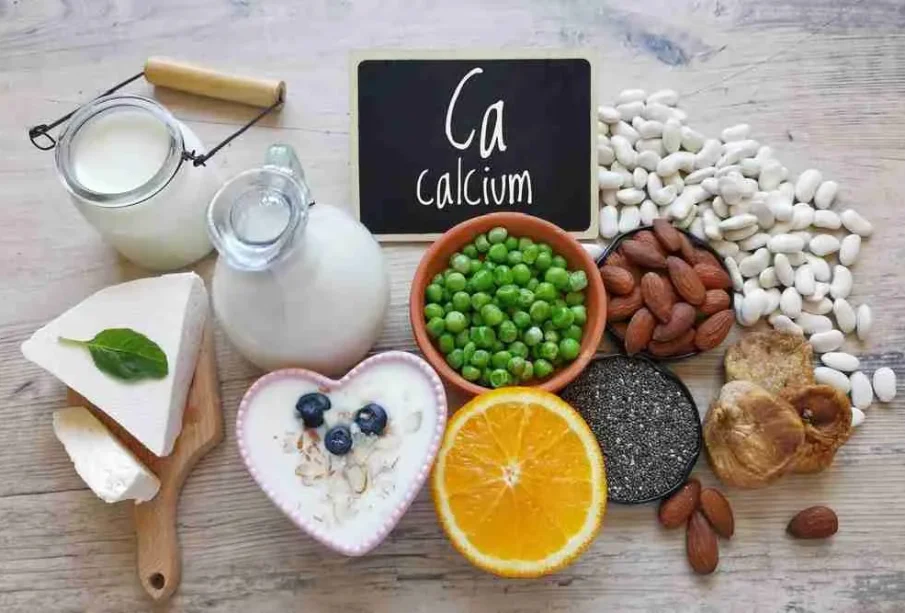
Calcium is the most abundant mineral found in the human body, serving as a fundamental building block for structural integrity and complex physiological communication. While most people readily associate calcium with sturdy bones and teeth, its systemic importance reaches into muscular mechanics, cardiovascular rhythm, enzymatic activation, and neural signaling.
Because the body cannot manufacture minerals internally, it relies entirely on regular dietary intake to sustain optimal blood concentrations. Understanding how calcium operates, recognizing the most bioavailable food sources, and managing the cofactors that govern its absorption are critical components of long-term health and daily vitality.
The Physiological Roles of Calcium in the Human Body
Approximately ninety-nine percent of the body’s calcium supply is stored within the skeletal system and dental architecture. The remaining one percent resides in blood plasma, extracellular fluids, and intracellular compartments, where it carries out precise metabolic duties.
When dietary intake falls short, the body prioritizes metabolic functions over structural density. It draws calcium directly from skeletal reserves to maintain serum calcium within a tightly controlled physiological window. Over time, chronic underconsumption hollows out the structural framework, setting the stage for progressive bone demineralization.
Beyond skeletal maintenance, calcium performs several indispensable biological tasks:
-
Neuromuscular transmission: Calcium ions facilitate the release of neurotransmitters across synaptic junctions, enabling seamless communication between the brain, peripheral nerves, and muscle groups.
-
Muscular contraction: In muscle tissue, calcium binds to troponin, a regulatory protein, initiating the sliding filament action that causes muscle fibers to contract. When calcium returns to cellular storage, the muscle relaxes.
-
Vascular tone and blood pressure: Calcium regulates the contraction and relaxation of smooth muscle cells lining arterial walls, influencing systemic peripheral resistance.
-
Hemostasis and blood clotting: Calcium is an essential cofactor in the coagulation cascade, working alongside vitamin K and fibrinogen to form stable clots following tissue injury.
-
Enzyme activation and hormone secretion: Numerous digestive enzymes and metabolic hormones require calcium ions to achieve proper molecular configuration and cellular release.
Recommended Dietary Targets Across Life Stages
Calcium requirements vary across life stages depending on the rate of skeletal growth, hormonal dynamics, and age-related changes in intestinal absorption.
The general recommended daily allowances for calcium include:
-
Children ages four to eight: One thousand milligrams per day to support rapid skeletal elongation and dental development.
-
Adolescents ages nine to eighteen: One thousand three hundred milligrams per day, representing the peak window for accumulating total lifetime bone mass.
-
Adults ages nineteen to fifty: One thousand milligrams per day to maintain steady-state bone remodeling and systemic metabolic balance.
-
Women over fifty and men over seventy: One thousand two hundred milligrams per day to counteract age-related declines in estrogen and testosterone, which accelerate bone loss.
Achieving peak bone mass during late adolescence and early adulthood establishes a dense skeletal reserve that protects against progressive bone thinning later in life.
Premier Whole-Food Sources of Calcium
Relying on whole foods rather than concentrated supplements ensures that calcium enters the digestive tract alongside complementary macronutrients, trace minerals, and fluid matrices that optimize gastrointestinal absorption and utilization.
Traditional Dairy Products
Dairy products represent some of the most concentrated and bioavailable sources of dietary calcium. The combination of lactose, casein proteins, and vitamin D in dairy enhances the passive diffusion of calcium across the small intestinal lining.
-
Plain Greek yogurt: One cup provides roughly three hundred to four hundred milligrams of calcium alongside a potent dose of protein and beneficial gut probiotics.
-
Hard aged cheeses: Cheeses like parmesan, aged cheddar, and Swiss contain minimal lactose while delivering over three hundred milligrams of calcium per ounce.
-
Whole or reduced-fat milk: One eight-ounce cup supplies nearly three hundred milligrams of highly bioavailable elemental calcium.
-
Kefir: A fermented dairy drink that provides approximately three hundred milligrams per cup while introducing diverse strains of beneficial lactic acid bacteria.
Plant-Based and Non-Dairy Options
For individuals following plant-based diets or managing lactose intolerance, a variety of whole plants provide substantial amounts of calcium.
-
Low-oxalate leafy greens: Bok choy, kale, mustard greens, and turnip greens provide high amounts of calcium with minimal absorption-blocking compounds.
-
Canned wild fish with soft bones: Canned sardines and wild salmon packed with their soft, edible bones offer roughly three hundred and twenty milligrams per three-ounce serving, paired with anti-inflammatory omega-3 fatty acids.
-
Calcium-set firm tofu: Tofu prepared using calcium sulfate can deliver upwards of four hundred milligrams per half-cup serving, making it an exceptional staple for plant-centered meal plans.
-
Seeds and nuts: Raw sesame seeds, tahini, chia seeds, and whole unblanched almonds provide dense micro-doses of calcium along with healthy dietary fats and fiber.
Factors Influencing Bioavailability and Nutrient Synergy
Consuming calcium-rich foods is only half the equation; the digestive system must successfully absorb and transport the mineral into target tissues. Several cofactors and dietary inhibitors dictate total calcium bioavailability.
Essential Synergistic Nutrients
Calcium does not work in isolation. Its metabolism depends on a cooperative network of complementary vitamins and minerals:
-
Vitamin D: Acts as the master regulator of calcium absorption by stimulating the synthesis of calcium-binding proteins within the intestinal wall. Without sufficient active vitamin D, the body absorbs only a fraction of dietary calcium.
-
Vitamin K2: Directs calcium away from soft tissues, such as arterial walls and kidneys, and channels it into bone matrix proteins like osteocalcin.
-
Magnesium: Converts vitamin D into its active form and works with the parathyroid gland to regulate optimal serum calcium levels.
-
Dietary protein: Adequate protein intake stimulates the production of insulin-like growth factor one, a hormone that promotes bone matrix formation and mineral retention.
Dietary Inhibitors and Absorption Blockers
Certain naturally occurring plant compounds can bind to calcium ions within the digestive tract, forming insoluble complexes that pass through the bowels unabsorbed.
-
Oxalic acid: Found in high concentrations in spinach, Swiss chard, beet greens, and rhubarb. Although these foods are nutrient-dense, their calcium is bound tightly to oxalates, yielding an absorption rate under five percent.
-
Phytic acid: Present in whole grains, raw legumes, and unsoaked seeds, phytates can moderately reduce the absorption of calcium, zinc, and iron.
-
Excessive sodium intake: High dietary sodium prompts the kidneys to excrete sodium in urine, which carries calcium along with it, increasing daily mineral losses.
Soaking, sprouting, fermenting, or cooking high-phytate and high-oxalate foods helps deactivate these binding compounds, significantly improving total mineral bioavailability.
The Risks of Imbalance: Deficiency and Supplementation Pitfalls
Chronic calcium deficiency rarely displays immediate, acute symptoms because the body draws from bone tissue to maintain normal blood levels. Over decades, this silent depletion culminates in osteopenia and osteoporosis, leaving bones fragile and prone to fractures from minimal trauma.
Conversely, aggressive, unmonitored supplementation with high-dose elemental calcium pills carries potential drawbacks. Unlike dietary calcium, which enters the bloodstream steadily, large supplemental boluses can cause transient hypercalcemia, which has been linked to kidney stone formation and vascular calcification when not balanced with vitamins D3 and K2. Prioritizing whole-food dietary sources remains the safest, most effective approach to meeting daily requirements.
Practical Strategies to Elevate Daily Calcium Intake
Integrating adequate calcium into your routine does not require complicated meal planning. Small, consistent modifications to daily meals can easily hit daily nutritional targets:
-
Stir two tablespoons of chia seeds or ground sesame seeds into morning oatmeal or breakfast bowls.
-
Swap standard salad greens for chopped bok choy, shredded kale, or dynamic cabbage mixes.
-
Add canned sardines or salmon with edible bones to grain bowls, wraps, or midday salads.
-
Choose calcium-set tofu as a primary protein source in stir-fries, soups, and vegetable curries.
-
Snack on a handful of whole almonds paired with dried figs or a cup of cultured plain yogurt.
Frequently Asked Questions
Can drinking high amounts of coffee or tea deplete calcium levels in the body?
Caffeine has a mild diuretic effect that slightly increases urinary calcium excretion. However, this loss is minimal, typically amounting to only two to four milligrams of calcium per cup of brewed coffee. For individuals who consume adequate calcium throughout the day, moderate caffeine intake of two to three cups does not measurably affect overall bone mineral density or skeletal health.
How does stomach acid production impact the absorption of dietary calcium?
Adequate stomach acid is essential for breaking down food compounds and converting calcium into an ionized form that can be absorbed in the upper small intestine. Individuals with hypochlorhydria (low stomach acid) or those using long-term proton pump inhibitors may experience reduced calcium uptake, especially from harder-to-break-down sources or carbonate-based foods.
Why is calcium from cooked kale absorbed better than calcium from cooked spinach?
Kale has a very low concentration of oxalic acid, allowing the body to absorb roughly fifty percent of its available calcium. Spinach, by contrast, contains exceptionally high levels of oxalates, which bind tightly to the calcium ions and prevent intestinal uptake, yielding an absorption rate of around five percent despite high total calcium content.
Does a high-protein diet cause calcium leaching from the bones?
Earlier nutritional theories suggested that high-protein diets produced metabolic acid that leached calcium from bones into the urine. Modern clinical research shows the opposite: dietary protein increases intestinal calcium absorption, stimulates bone-building hormones, and enhances skeletal muscle mass, all of which support greater bone mineral density when total calcium intake is sufficient.
Are fortified plant milks as effective as traditional dairy milk for calcium delivery?
Fortified plant milks, such as almond, oat, or soy milk enriched with calcium carbonate or tricalcium phosphate, provide comparable amounts of calcium per serving to dairy milk. However, the mineral fortifiers tend to settle at the bottom of the carton during storage. Shaking the container thoroughly before pouring ensures an even distribution of the added minerals.
What is the connection between chronic stress and calcium utilization?
Prolonged psychological or physiological stress keeps cortisol levels elevated. Chronic cortisol elevation can inhibit the active intestinal absorption of calcium, increase renal mineral excretion, and suppress the activity of osteoblasts, the specialized cells responsible for building new bone tissue. Over time, chronic stress can compound the structural effects of poor dietary calcium intake.
Can eating a calcium-rich meal immediately before bed improve sleep quality?
Calcium plays a direct role in the brain’s synthesis of melatonin, the hormone that regulates sleep-wake cycles. Calcium helps brain cells utilize the amino acid tryptophan to manufacture melatonin naturally. Consuming a light, calcium-dense whole-food snack in the evening, such as a cup of plain warm milk or unsweetened yogurt, can support natural relaxation and deeper sleep architecture.