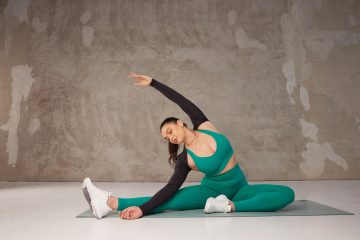

The Benefits of Low-Impact Workouts for Everyday Fitness
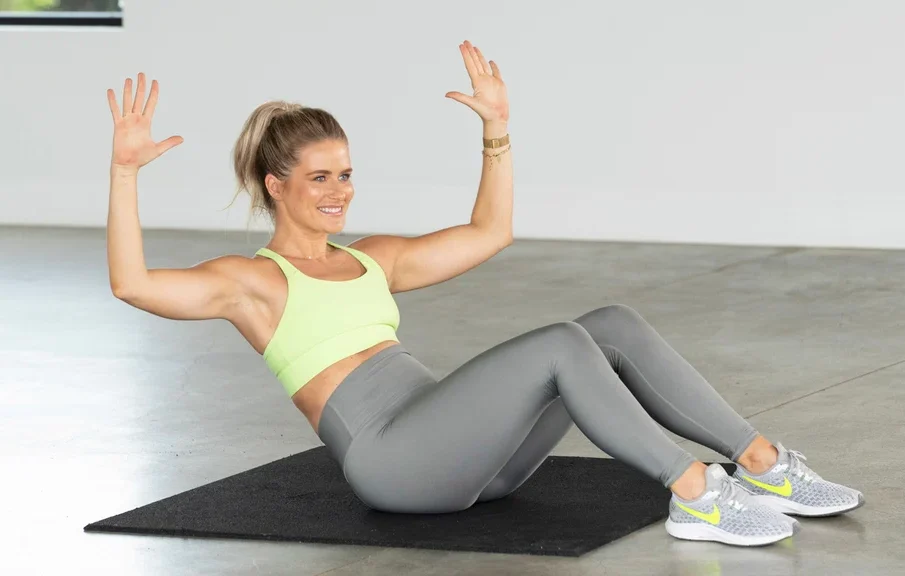
Physical fitness does not require punishing your joints with heavy impacts or constant high-intensity intervals. While high-impact activities like running, plyometrics, and aggressive jumping exercises have their place, they also impose significant mechanical stress on the human skeletal framework. Low-impact workouts provide a sustainable alternative that delivers cardiovascular conditioning, muscular strength, enhanced mobility, and longevity without the associated wear and tear on connective tissues.
Understanding how to leverage low-impact movement transforms everyday fitness from an exhausting chore into a durable, lifelong habit.
Defining Low-Impact Exercise
A common misconception in fitness culture is conflating low impact with low intensity. Low impact refers specifically to the amount of mechanical force delivered through your feet, ankles, knees, and spine when you interact with the ground or equipment. In low-impact exercise, at least one foot remains in contact with the ground at all times, or the body is supported by water, a machine, or a mat.
Low-intensity exercise, by contrast, refers to the cardiovascular or metabolic effort required by a movement. A workout can be strictly low impact while maintaining high intensity and challenging your muscular endurance, aerobic threshold, and mental stamina.
Popular forms of low-impact exercise include:
-
Swimming and water aerobics: The buoyancy of water reduces body weight bearing by up to ninety percent, allowing full-range motion without joint friction.
-
Indoor cycling and rowing: Both modalities keep feet and hands locked into fixed paths, eliminating ground strike forces while driving high cardiovascular output.
-
Pilates and barre: These disciplines emphasize isometric holds, controlled ranges of motion, and core stabilization.
-
Brisk incline walking: Walking up an incline elevates heart rate and activates the posterior chain without the repetitive pounding of a flat-ground run.
-
Resistance training with bands or cables: Smooth, continuous tension challenges muscle fibers without loading the spine with sudden axial forces.
Joint Preservation and Structural Longevity
Every time a runner lands a stride on concrete, the impact sends a shockwave equivalent to two to three times their body weight up through the kinetic chain. Over time, repetitive high-impact forces can degrade articular cartilage, inflame tendons, and exacerbate spinal disc compression.
Low-impact movements protect structural health by minimizing peak ground reaction forces. Instead of absorbing blunt force, joints move through smooth, continuous ranges of motion. This movement stimulates the production and circulation of synovial fluid, the natural lubricant that nourishes cartilage and keeps joint capsules supple. For individuals managing osteoarthritis, chronic lower back stiffness, or prior ligament injuries, low-impact exercise provides the benefits of movement without triggering inflammatory flare-ups.
Cardiovascular Conditioning Without Neural Fatigue
Cardiovascular health depends on maintaining elevated heart rates for sustained durations, not on the physical jarring of the body. Low-impact modalities allow individuals to train in aerobic zones, particularly Zone 2, where the body builds mitochondrial density, optimizes capillary networks, and improves oxygen utilization.
Using modalities like rowing machines or stationary bikes enables individuals to sustain steady-state cardio for forty-five to sixty minutes with minimal central nervous system exhaustion. Because the systemic recovery cost is significantly lower than that of sprinting or heavy plyometrics, athletes and everyday exercisers can accumulate more weekly training volume without entering a state of overtraining or chronic fatigue.
Active Recovery and Hormonal Balance
High-impact, high-intensity workouts stimulate the release of cortisol, the body’s primary stress hormone. While acute cortisol spikes are a natural part of adaptation, chronic elevation from constant intense training can disrupt sleep, increase systemic inflammation, and hinder muscle repair.
Low-impact movement serves as an ideal tool for active recovery. Gentle swimming, restorative yoga, or flat walking enhances venous blood return, clearing metabolic waste products from muscle tissue after strenuous lifting sessions. This accelerated blood flow delivers amino acids and oxygen directly to repairing muscles, cutting down delayed-onset muscle soreness and promoting parasympathetic nervous system activation.
Developing Core Stability and Proprioception
High-velocity training often relies on momentum to complete repetitions, which can mask muscular imbalances and weak stabilizer muscles. Low-impact training modalities like Pilates, barre, and slow-tempo bodyweight strength emphasize deliberate, controlled movements that strip away momentum.
These workouts target the deep stabilizing muscles that protect the spine and pelvis, including the transverse abdominis, multifidus, gluteus medius, and pelvic floor. Strengthening these smaller muscle groups improves balance, posture, and proprioception (the body’s awareness of its position in space). Enhanced stability carries over directly to daily functional tasks, reducing the risk of accidental falls and acute injuries.
Scalability and Inclusivity
Low-impact workouts offer universal scalability. They accommodate individuals who cannot safely participate in high-impact routines due to physical constraints, such as:
-
Individuals with higher body mass: Higher body weight amplifies ground reaction forces during running or jumping; low-impact exercise allows for substantial caloric expenditure and cardiovascular conditioning without joint strain.
-
Postpartum individuals: The hormone relaxin loosens ligaments during pregnancy and postpartum, making joints temporarily more vulnerable to high-impact stress.
-
Older adults: Preserving lean muscle mass and cardiovascular health while protecting aging joints is critical for maintaining independence and mobility.
-
Rehabilitating athletes: Cross-training with low-impact equipment maintains baseline aerobic capacity while injured tissues heal.
Structuring an Effective Low-Impact Routine
To maximize the benefits of low-impact training, design a balanced weekly plan that addresses cardiovascular health, muscular strength, and mobility.
A well-structured weekly routine might look like:
-
Monday: Forty-five minutes of steady-state indoor cycling focused on aerobic base building.
-
Tuesday: Mat Pilates or core-focused resistance band training emphasizing time under tension.
-
Wednesday: Active recovery walk outdoors at a brisk pace for forty minutes.
-
Thursday: Total-body resistance training utilizing cables, dumbbells, and controlled eccentric tempos.
-
Friday: Swimming intervals or rowing machine intervals to develop higher-intensity cardiovascular capacity.
-
Saturday: Full-body mobility, dynamic stretching, and restorative yoga.
-
Sunday: Complete rest or casual walking.
To ensure continuous progress without adding impact, apply progressive overload by increasing the resistance, extending the duration of working sets, slowing down movement tempos, or reducing rest intervals between exercises.
Frequently Asked Questions
Can low-impact training help increase bone density?
While high-impact activities stimulate bone remodeling through mechanical shock, low-impact resistance training and weighted exercises also stimulate bone mineral density. When muscles contract against external resistance (such as weights, resistance bands, or bodyweight during squats and lunges), tendons pull on the bones, signaling the body to deposit minerals and strengthen bone matrix architecture.
How do low-impact exercises affect caloric expenditure compared to running?
Caloric expenditure depends on effort, heart rate, and total active muscle mass rather than impact level. A vigorous forty-five-minute rowing or cycling session can burn just as many calories as a run of equal duration. The primary difference is that low-impact exercise often allows people to sustain workouts for longer periods because their joints do not fatigue as quickly.
What are the best footwear choices for indoor low-impact workouts?
For non-weight-bearing activities like cycling, dedicated cycling shoes with stiff soles optimize power transfer. For mat-based workouts like Pilates or barre, grip socks or bare feet allow for natural foot articulation and toe splay. For low-impact cardio machines like ellipticals or brisk incline walking, choose a stable cross-trainer with moderate cushioning and a wide toe box rather than a heavily curved running shoe.
How should someone transition from complete inactivity to low-impact training?
Begin with ten to fifteen minutes of continuous low-impact activity, such as flat walking or stationary cycling on light resistance, three times per week. Monitor how your body feels over twenty-four to forty-eight hours before increasing session length by five minutes each week. Prioritize consistency and proper movement form over speed or heavy resistance.
Is it safe to perform low-impact workouts daily?
Yes, provided you balance intensity and modality. Low-impact activities with minimal eccentric muscle damage, such as walking, light swimming, or gentle mobility work, can be performed daily. However, high-intensity low-impact workouts, like challenging resistance sessions or intense spin classes, still require adequate rest days to allow muscle fibers and energy systems to rebuild.
Can athletes use low-impact training to improve competitive sports performance?
Many elite endurance athletes and team-sport competitors use low-impact training for cross-training. It builds cardiovascular volume and aerobic capacity while saving their legs for sport-specific technical practices, reducing cumulative collision stress and overall injury risk.
What signs indicate that a low-impact workout is too easy or needs progression?
If your heart rate remains well below your target training zone, your breathing stays completely unchanged, and your muscles do not experience fatigue near the end of a set, the stimulus is insufficient for adaptation. You can increase the challenge by adding resistance, extending work intervals, eliminating momentum, or working through a deeper range of motion.