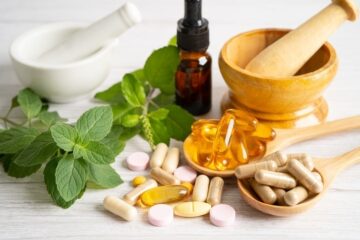

Supplements: Enhancing Health, Performance, and Wellness Through Evidence-Based Nutrition

Supplements have become an integral component of modern nutrition, supporting individuals in achieving optimal health, performance, and disease prevention. While whole foods remain the cornerstone of a balanced diet, supplements provide targeted nutrients that may be insufficient due to lifestyle, dietary restrictions, age, or specific health goals. Understanding the science, types, benefits, risks, and strategic use of supplements is essential for maximizing their effectiveness and maintaining safety. This article explores the comprehensive role of supplements in contemporary wellness and evidence-based strategies for integrating them into daily routines.
Understanding Supplements
A supplement is a product designed to augment the diet by providing additional nutrients or bioactive compounds. These can include vitamins, minerals, amino acids, fatty acids, herbal extracts, and other functional ingredients. Supplements are typically available in forms such as capsules, tablets, powders, liquids, and gummies, allowing flexibility for consumption.
Supplements are not intended to replace a nutrient-dense diet but serve as an adjunct to fill dietary gaps, enhance performance, or address specific health concerns. Their efficacy is influenced by bioavailability, dosage, quality, and the individual’s physiological needs.
Types of Supplements
Supplements are diverse, and categorizing them helps in understanding their mechanisms and applications.
Vitamin and Mineral Supplements
Vitamins and minerals are essential micronutrients that regulate metabolic processes, maintain structural integrity, and support immune function. Common examples include:
- Vitamin D: Supports bone health, immune function, and mood regulation. Deficiency is prevalent in individuals with limited sun exposure.
- Calcium: Critical for bone strength, muscle contraction, and nerve function.
- Iron: Essential for hemoglobin production and oxygen transport, particularly important for women, athletes, and vegetarians.
- Magnesium and Zinc: Involved in enzymatic reactions, muscle function, and immune health.
Evidence-based supplementation is recommended when dietary intake is inadequate, lab testing confirms deficiency, or increased physiological demand exists.
Protein Supplements
Protein supplements, such as whey, casein, soy, and plant-based blends, support muscle protein synthesis, recovery, and body composition optimization. They are commonly used by:
- Athletes to enhance performance and repair
- Older adults to prevent sarcopenia and maintain lean mass
- Individuals with limited dietary protein intake
The timing, quantity, and quality of protein supplements are critical factors for achieving desired outcomes. Research indicates 20–40 grams of high-quality protein per meal can maximize muscle protein synthesis, particularly when consumed post-exercise.
Omega-3 Fatty Acids
Omega-3 supplements, primarily derived from fish oil, krill oil, or algae, provide essential fatty acids such as EPA and DHA. Their benefits include:
- Reducing systemic inflammation
- Supporting cardiovascular health
- Enhancing cognitive function and mood
- Improving joint flexibility and mobility
Clinical trials suggest daily intake of 1–3 grams of combined EPA and DHA may be effective for cardiovascular and anti-inflammatory purposes.
Amino Acid and Creatine Supplements
Branched-chain amino acids (BCAAs) and creatine are popular among athletes for enhancing muscle performance and recovery.
- BCAAs: Leucine, isoleucine, and valine stimulate muscle protein synthesis and reduce exercise-induced muscle breakdown.
- Creatine Monohydrate: Enhances phosphocreatine stores in muscles, improving strength, power output, and high-intensity exercise performance.
These supplements are particularly useful for resistance training and high-intensity intermittent sports.
Herbal and Botanical Supplements
Herbal supplements, derived from plants, are used for targeted health benefits, including cognitive enhancement, stress reduction, and immune support. Notable examples include:
- Turmeric/Curcumin: Anti-inflammatory and antioxidant properties
- Ginseng: Enhances energy, cognitive function, and stress resilience
- Ashwagandha: Reduces cortisol levels and improves stress adaptation
- Green Tea Extract: Supports metabolism and cardiovascular health
It is crucial to select standardized, high-quality extracts to ensure consistent potency and safety.
Multivitamins and Combination Formulas
Multivitamins provide a spectrum of essential nutrients to address general deficiencies and support overall health. Combination formulas may include targeted blends for immune support, bone health, cognitive function, or energy metabolism. Evidence indicates that multivitamins can reduce the risk of certain nutrient deficiencies, particularly in populations with restricted diets or increased requirements.
Evidence-Based Benefits of Supplements
Scientific research supports the use of specific supplements in defined contexts. Benefits include:
- Nutrient Deficiency Correction: Supplements prevent or correct deficiencies, reducing risks such as anemia, osteoporosis, and immune compromise.
- Enhanced Athletic Performance: Protein, creatine, and beta-alanine improve strength, endurance, and recovery.
- Cognitive and Mood Support: Omega-3s, B-vitamins, and adaptogenic herbs influence neurotransmitter function and stress response.
- Cardiovascular Health: Omega-3 fatty acids, magnesium, and coenzyme Q10 improve lipid profiles, blood pressure, and endothelial function.
- Bone and Joint Health: Calcium, vitamin D, collagen peptides, and glucosamine support skeletal integrity and joint mobility.
While the benefits are well-documented in clinical trials, effectiveness depends on proper dosage, quality, and consistent use.
Safety Considerations and Potential Risks
Supplements are generally safe when used appropriately, but misuse, overconsumption, or poor-quality products can pose risks:
- Overdosing: Excessive intake of fat-soluble vitamins (A, D, E, K) can be toxic.
- Interactions with Medications: Supplements may interfere with blood thinners, antihypertensives, or other prescribed medications.
- Contamination and Quality Issues: Unregulated products may contain heavy metals, allergens, or inaccurate ingredient labeling.
- Excessive Reliance: Supplements should not replace nutrient-dense whole foods, which provide fiber, phytochemicals, and bioactive compounds absent in most isolated supplements.
Consulting healthcare professionals, reviewing lab results, and choosing third-party tested products mitigate risks.
Integrating Supplements Into Daily Life
Strategic integration of supplements enhances their efficacy and safety:
- Assessing Nutritional Gaps: Identify deficiencies through dietary analysis, medical evaluation, or lab testing.
- Timing and Dosage Optimization: Align supplement intake with meals, exercise routines, and individual absorption patterns.
- Synergistic Combinations: Combining vitamin D with calcium or vitamin C with iron improves bioavailability and metabolic outcomes.
- Monitoring Outcomes: Track changes in performance, energy levels, and lab markers to evaluate effectiveness and adjust usage.
Consistency, personalization, and evidence-based application are key to deriving meaningful benefits from supplementation.
Special Considerations for Specific Populations
Athletes and Active Individuals
- Focus on protein, BCAAs, creatine, and electrolytes to enhance performance and recovery
- Use antioxidant-rich supplements judiciously to prevent interference with training adaptations
- Monitor hydration and nutrient timing for optimal energy utilization
Older Adults
- Emphasize protein, vitamin D, calcium, and omega-3 fatty acids to preserve muscle mass, bone density, and cognitive function
- Consider joint-support supplements such as glucosamine or collagen peptides
Vegetarians and Vegans
- Supplement vitamin B12, iron, zinc, and omega-3s to address potential dietary insufficiencies
- Incorporate fortified foods or plant-based alternatives to maintain nutrient adequacy
Pregnancy and Lactation
- Prenatal vitamins with folate, iron, iodine, and DHA are essential for fetal development and maternal health
- Avoid high doses of fat-soluble vitamins unless prescribed by a healthcare professional
Advanced Concepts in Supplementation
Nutrigenomics
Personalized nutrition and supplementation based on genetic profiles optimize metabolic function, nutrient utilization, and disease prevention. Genetic variations can influence how individuals metabolize vitamins, amino acids, and fatty acids, informing tailored supplementation strategies.
Functional and Adaptogenic Supplements
Functional supplements target specific physiological processes, such as mitochondrial energy production, anti-inflammatory pathways, and cognitive resilience. Adaptogens like Rhodiola, Ashwagandha, and Eleuthero enhance stress adaptation and overall vitality.
Evidence-Based Stacking
Combining supplements strategically, known as “stacking,” maximizes benefits while minimizing interactions. Examples include:
- Protein + Creatine for muscle growth and strength
- Omega-3 + Vitamin D for cardiovascular and bone health
- Antioxidants + Adaptogens for stress resilience and recovery
Proper dosing and timing are critical to achieving synergistic effects.
FAQ
Are supplements necessary for a healthy diet?
Supplements are not required for everyone. Individuals with balanced diets may meet most nutrient needs through food, but supplementation is useful for deficiencies, specific health goals, or increased physiological demand.
Can supplements replace whole foods?
No. Whole foods provide fiber, phytochemicals, and diverse bioactive compounds absent in most supplements. Supplements complement, not replace, nutrient-dense diets.
How do I know which supplement is right for me?
Assess your diet, lifestyle, health status, and lab results. Consulting healthcare professionals and choosing third-party tested products ensures safety and relevance.
Can supplements improve athletic performance?
Yes. Evidence supports protein, creatine, beta-alanine, and electrolyte supplements in enhancing strength, endurance, and recovery when used appropriately.
Are natural supplements safer than synthetic ones?
Not necessarily. Safety depends on dosage, purity, and quality control rather than source. Both natural and synthetic supplements require evidence-based usage.
How long does it take to see results from supplements?
Results vary depending on the supplement, health status, and consistency. Some effects, such as energy improvement, may appear within days, while structural benefits like bone density or muscle gain require weeks to months.
Can supplements interact with medications?
Yes. Supplements like St. John’s Wort, high-dose vitamin K, or certain herbal extracts can interact with medications, affecting efficacy or causing adverse effects. Professional guidance is essential.
Supplements are a powerful tool to optimize health, performance, and overall wellness when used strategically and in conjunction with a nutrient-rich diet. By understanding the science, types, benefits, and risks of supplementation, individuals can make informed choices that enhance physical performance, support cognitive function, and promote long-term health outcomes. Proper integration, personalized strategies, and evidence-based application ensure that supplementation complements a holistic approach to wellness.