

Meditation: Unlocking Mental Clarity, Emotional Balance, and Holistic Wellness
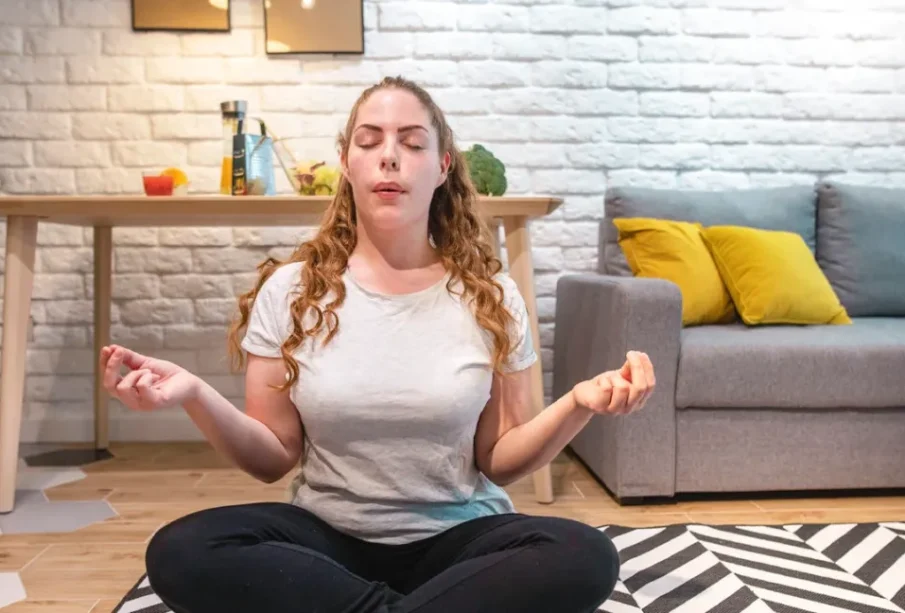
Meditation has evolved from an ancient spiritual practice into a scientifically recognized method for improving mental, emotional, and physical health. Across cultures and disciplines, meditation is valued for its ability to enhance focus, reduce stress, and cultivate self-awareness. Modern research confirms that consistent meditation practice can reshape the brain, strengthen emotional resilience, and improve overall quality of life. Understanding meditation requires examining its principles, types, physiological effects, and practical applications for long-term well-being.
The Science Behind Meditation
Meditation involves intentional focus, awareness, and mindfulness. Unlike passive relaxation, meditation actively engages the brain and body in processes that regulate attention, emotional response, and autonomic function. Scientific studies utilizing neuroimaging and physiological monitoring have revealed significant changes in brain structure and function among long-term meditators, including:
- Increased cortical thickness in areas responsible for attention, sensory processing, and executive function
- Enhanced connectivity between the prefrontal cortex and limbic system, improving emotional regulation
- Reduced activity in the amygdala, leading to lower stress and anxiety responses
- Elevated production of neurotransmitters such as dopamine and serotonin, supporting mood and motivation
These findings illustrate that meditation is not merely a mental exercise but a practice with measurable neurological and physiological effects.
Types of Meditation
Meditation is a diverse field, encompassing various techniques tailored to different goals, preferences, and cultural traditions. Understanding the types of meditation allows practitioners to select methods aligned with their objectives.
Mindfulness Meditation
Mindfulness meditation emphasizes present-moment awareness without judgment. Practitioners observe thoughts, sensations, and emotions as they arise, cultivating acceptance and mental clarity. Key benefits include:
- Reduction of stress and anxiety
- Improved attention and cognitive flexibility
- Enhanced emotional resilience
Mindfulness-based stress reduction (MBSR) programs have been widely adopted in clinical settings to help manage chronic pain, depression, and anxiety disorders.
Focused Attention Meditation
Focused attention meditation directs concentration toward a specific object, such as the breath, a mantra, or a visual stimulus. Benefits include:
- Strengthened attention and concentration
- Enhanced memory retention and learning capacity
- Development of mental discipline and emotional stability
This technique is often employed in performance-oriented settings, including education, sports, and professional environments.
Loving-Kindness Meditation
Also known as Metta meditation, loving-kindness practice focuses on cultivating compassion and empathy toward oneself and others. Practitioners silently repeat phrases that convey goodwill, such as “May I be happy, may I be healthy.” Benefits include:
- Increased positive emotions and social connectedness
- Reduced negative self-perception and rumination
- Enhanced prosocial behavior and interpersonal relationships
Studies have demonstrated that consistent loving-kindness practice can increase vagal tone, contributing to better cardiovascular health and stress regulation.
Body Scan and Progressive Relaxation
Body scan meditation involves mentally scanning the body from head to toe, observing tension and sensations. Progressive relaxation adds systematic muscle tensing and releasing. Benefits include:
- Improved awareness of bodily sensations
- Reduction in muscle tension and chronic pain
- Enhanced sleep quality and relaxation
These methods are frequently integrated into therapeutic programs for stress reduction, chronic illness management, and sleep disorders.
Transcendental Meditation
Transcendental Meditation (TM) is a mantra-based technique that encourages the mind to transcend ordinary thought. Practitioners silently repeat a specific sound or phrase for 15–20 minutes twice daily. Research indicates TM may:
- Lower blood pressure and heart rate
- Reduce cortisol levels and overall stress
- Promote neuroplasticity and improved cognitive function
TM has gained popularity in both clinical and corporate settings due to its structured approach and reproducible results.
Physiological Effects of Meditation
Meditation triggers a cascade of physiological responses that support health and longevity. Key effects include:
- Autonomic Nervous System Regulation: Meditation activates the parasympathetic nervous system, lowering heart rate, respiratory rate, and blood pressure.
- Hormonal Balance: Consistent practice reduces cortisol levels, mitigating the harmful effects of chronic stress on metabolism and immune function.
- Neuroplasticity: Meditation strengthens synaptic connections, enhancing memory, attention, and emotional regulation.
- Immune System Enhancement: Some studies suggest meditation can increase natural killer cell activity and modulate inflammatory responses.
These mechanisms demonstrate that meditation is not solely a mental exercise but a holistic intervention influencing mind, body, and cellular function.
Integrating Meditation Into Daily Life
Incorporating meditation into a modern, often fast-paced lifestyle requires strategic planning and commitment. Practical approaches include:
Structured Daily Practice
- Begin with short sessions (5–10 minutes) and gradually increase duration
- Select a consistent time of day to establish routine, often morning or evening
- Create a quiet, distraction-free environment
Combining Meditation With Movement
- Yoga, Tai Chi, and Qigong integrate mindfulness with physical activity
- Walking meditation encourages awareness of movement and breath
- Active meditation supports circulation, flexibility, and mind-body connection
Digital Assistance and Guided Meditation
- Mobile applications and online platforms offer guided sessions and tracking
- Meditation timers, ambient sounds, and virtual communities enhance adherence
- Ensure tools are evidence-based and structured for gradual skill development
Workplace and Academic Applications
- Brief mindfulness breaks during work hours reduce stress and improve focus
- Study sessions integrated with meditation enhance attention and retention
- Team-based mindfulness programs can improve workplace culture and collaboration
Meditation and Mental Health
Meditation is increasingly incorporated into therapeutic settings for mental health management. Its benefits extend to various psychological conditions:
- Anxiety Disorders: Mindfulness-based interventions reduce symptom severity and improve coping strategies.
- Depression: Meditation decreases rumination and fosters positive emotion regulation.
- Post-Traumatic Stress Disorder (PTSD): Practices such as body scan meditation and mindfulness aid in processing trauma safely.
- Attention Deficit Disorders: Focused attention techniques improve sustained attention and reduce impulsivity.
Neuroimaging studies show that meditation modifies activity in brain regions such as the anterior cingulate cortex, prefrontal cortex, and amygdala, enhancing emotional regulation and cognitive control.
Meditation for Physical Health
Beyond mental benefits, meditation contributes to tangible physical health outcomes.
- Cardiovascular Health: Regular meditation lowers blood pressure, reduces heart rate, and enhances arterial function.
- Pain Management: Meditation increases pain tolerance and modulates perception of chronic pain.
- Sleep Quality: Mindfulness and relaxation techniques improve sleep latency, duration, and overall quality.
- Immune Function: Studies suggest meditation may influence inflammatory markers and support immune resilience.
The synergistic effects of meditation on mental and physical health reinforce its role as a preventative and therapeutic practice.
Advanced Practices and Long-Term Benefits
Long-term meditators often report heightened self-awareness, emotional balance, and cognitive resilience. Advanced techniques include:
- Vipassana Meditation: Insight meditation focusing on deep observation of thoughts, emotions, and bodily sensations.
- Zen and Soto Practices: Emphasize posture, breath, and moment-to-moment awareness.
- Contemplative Practices: Combine meditation with reflective inquiry or philosophical study for personal growth.
Long-term benefits observed include improved neuroplasticity, slower cognitive decline with aging, and greater life satisfaction.
Common Challenges and Solutions
Meditation, while accessible, presents challenges for practitioners:
- Restless Mind: Begin with short sessions and gradually extend duration, using breath or mantra to anchor attention.
- Consistency: Pair meditation with established daily routines and track practice to reinforce habit formation.
- Discomfort: Use supportive seating, cushions, or lying positions to maintain comfort during practice.
- Skepticism: Combine meditation with scientific frameworks and evidence-based outcomes to maintain motivation.
Persistence and gradual progression are key to overcoming barriers and realizing the full benefits of meditation.
FAQ
How long should I meditate each day for effective results?
While benefits can appear in as little as 5–10 minutes per day, most research suggests 20–30 minutes of daily practice maximizes cognitive, emotional, and physiological improvements.
Can meditation help with chronic pain management?
Yes. Mindfulness and body scan techniques alter pain perception and reduce the emotional response to pain, complementing medical treatments.
Is meditation effective for stress reduction in workplace settings?
Studies indicate that brief, consistent mindfulness sessions at work improve focus, reduce stress, and enhance emotional regulation among employees.
Do I need a spiritual background to practice meditation effectively?
No. While meditation has spiritual roots, secular approaches grounded in mindfulness and relaxation are scientifically validated and effective for mental and physical health.
How soon can I expect results from meditation practice?
Initial benefits, such as reduced stress and improved focus, may appear within a few weeks, but long-term changes in brain structure and emotional regulation typically require consistent practice over months or years.
Can meditation improve cognitive performance?
Yes. Focused attention and mindfulness practices enhance memory, attention, and executive function, supporting learning and professional performance.
Are there any risks associated with meditation?
Meditation is generally safe; however, individuals with severe mental health conditions should consult healthcare professionals, as intensive practice can occasionally exacerbate symptoms.
Meditation is a powerful tool for cultivating mental clarity, emotional balance, and holistic wellness. Its multidimensional impact on the brain, body, and behavior makes it an essential practice for anyone seeking sustainable health, resilience, and personal growth. Through consistent practice, mindfulness, and integration into daily life, meditation offers transformative benefits that extend across physical, mental, and social domains.